


Cat Constipation: When a 'Clean' Litter Box is a Warning Sign
As cat owners, we're used to the daily ritual of scooping the litter box. But what if you notice something odd: your cat is visiting the litter box regularly, maybe even more than usual, but there's hardly anything in there? Before you celebrate the "clean" tray, pause. This could be one of the most important warning signs your cat is trying to give you.
A suspiciously clean litter box paired with frequent visits often signals constipation. And while the occasional bout of difficult bowel movements might resolve on its own (just like in people), chronic constipation in cats can escalate into a serious medical emergency requiring hospitalization or even surgery.
Why Your Cat's "Too Clean" Litter Box Matters
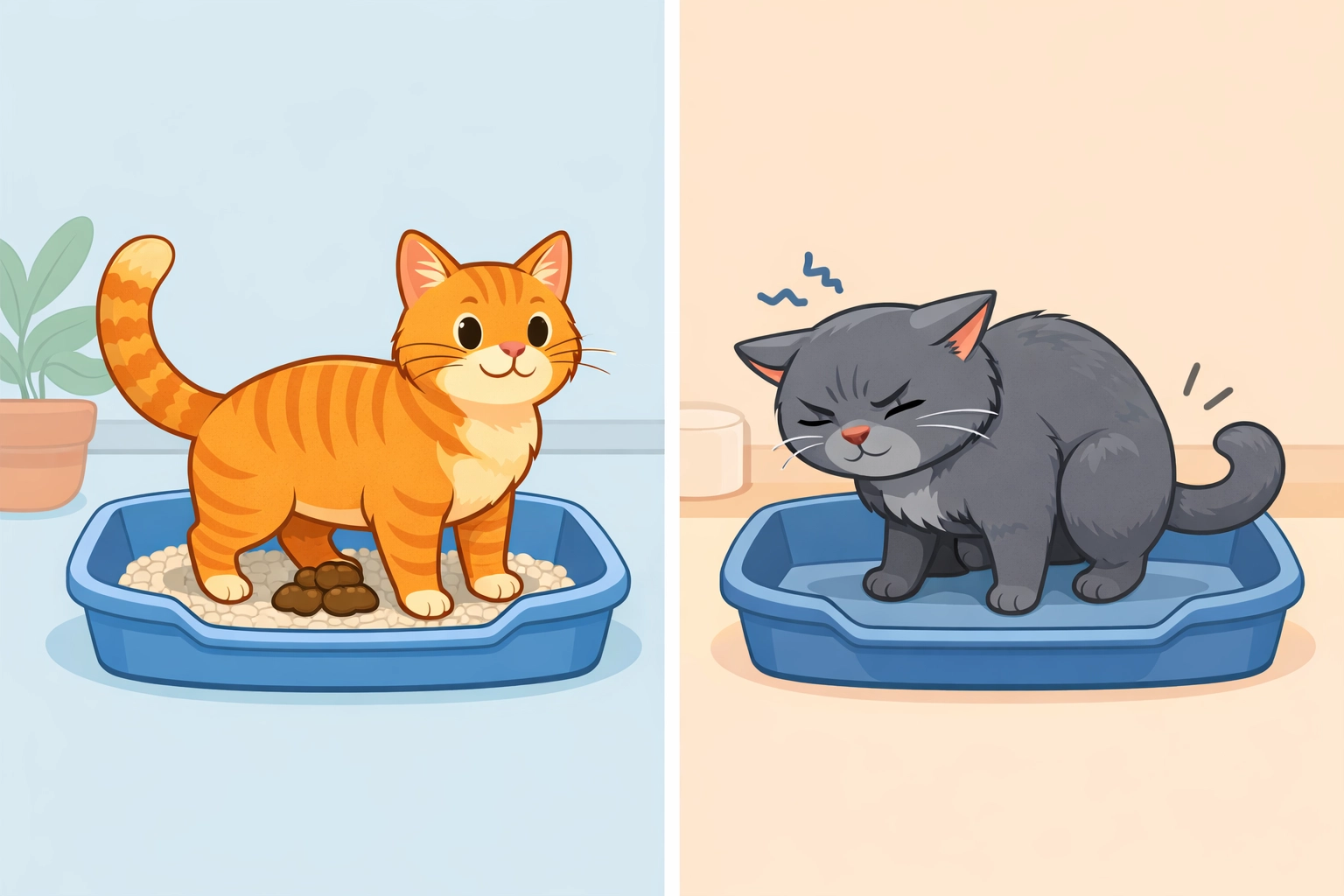
When a cat is constipated, they feel the urge to defecate but struggle to produce anything significant. You might notice them spending ages in the litter box, straining and looking uncomfortable, but leaving behind only tiny, hard pellets: or nothing at all.
This combination of frequent litter box visits with minimal output is easy to miss or dismiss. After all, who complains about a cleaner litter box? But this pattern is your cat's way of telling you something is wrong.

Spotting the Signs: Is My Cat Constipated?
Beyond the clean litter box mystery, watch for these additional red flags:
Straining in the litter box – Your cat may adopt the posture to defecate but produce little or no stool. They may vocalize or appear distressed during these attempts.
Hard, dry stools – When your cat does manage to pass something, it's often small, dry, and pellet-like rather than the normal soft, formed stool.
Decreased appetite and vomiting – As stool accumulates in the digestive tract, cats may feel nauseated and lose interest in food. Some may vomit.
Lethargy and withdrawal – Abdominal discomfort makes cats less playful and sociable. Your normally affectionate moggy might hide away or seem unusually grumpy.
Abdominal discomfort – You may notice your cat's belly feels tense or bloated. Some cats become sensitive to being touched around their abdomen.
Critical Warning: Straining to Pee vs. Straining to Poo
Here's something absolutely vital: if your cat is straining in the litter box, you need to determine whether they're struggling to defecate or to urinate. A cat straining to urinate and producing little to no urine is a life-threatening emergency: particularly in male cats where urethral obstruction can be fatal within 24-48 hours.
If you're unsure which issue your cat is facing, treat it as urgent and contact your vet immediately. At a cat-only practice like SimplyCats, we're equipped to quickly assess these situations in our calm, feline-focused environment where your stressed cat won't be adding "terrified of nearby dogs" to their list of problems.
What Causes Constipation in Cats?
Understanding the "why" behind constipation helps with both treatment and prevention. Common culprits include:
Obesity – Overweight cats are particularly prone to constipation. Extra weight affects mobility, reduces activity levels, and can contribute to metabolic changes that slow the digestive system.
Dehydration – Insufficient water intake means the intestines absorb too much moisture from stool, making it hard and difficult to pass. Cats eating primarily dry food are especially at risk.
Medical conditions – Chronic kidney disease, diabetes, hyperthyroidism, and certain cancers can all contribute to constipation. Anal gland issues, pelvic injuries, or tumors in the pelvic region can physically obstruct the passage of stool.
Neurological disease – Nerve damage affecting the colon's ability to function properly can result in sluggish bowel movements.
Hairballs – Excessive grooming leads to hair accumulation in the digestive tract, which can contribute to blockages.
Behavioral and environmental factors – Stress, anxiety, inter-cat aggression, arthritis pain (making it difficult to get into the litter box), or even a dirty litter box can cause cats to "hold it," leading to constipation.
From Constipation to Megacolon: Understanding the Severity Scale
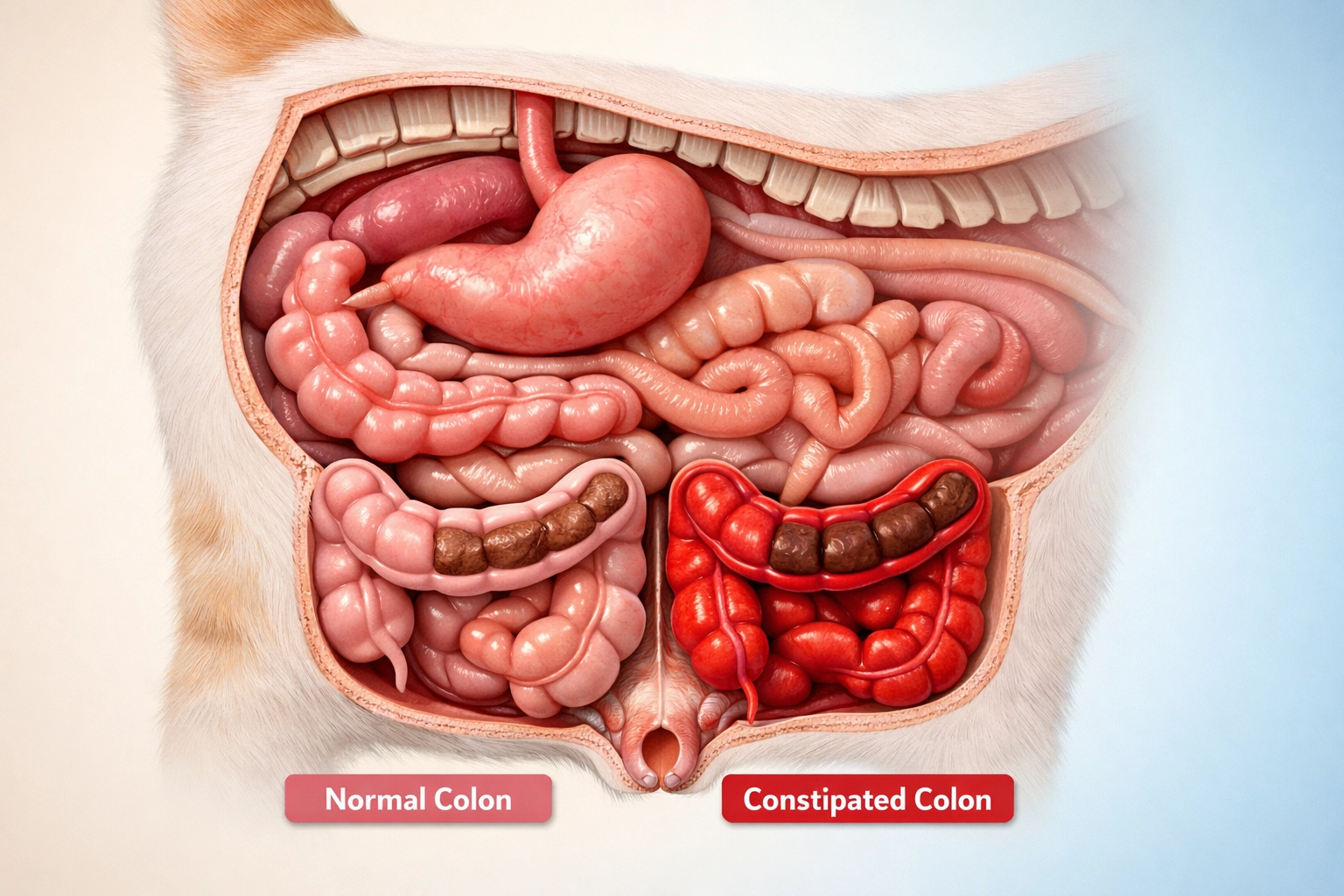
Not all constipation is created equal. Veterinarians use specific terms to describe the progression:
Constipation – Difficult, infrequent bowel movements with dry, hard stools. This is the stage where intervention can prevent escalation.
Obstipation – Chronic constipation that has progressed to a complete inability to pass stool. Your cat is now genuinely blocked.
Megacolon – The endgame nobody wants. This is when the colon becomes massively dilated, flaccid, and dysfunctional, having lost its ability to contract and move feces. At this stage, the colon has often sustained irreversible damage.
The progression from occasional constipation to megacolon is why early intervention matters so much. Once megacolon develops, surgery often becomes the only viable option.
Treatment: From Simple to Surgical
Medical Management
For most cases of constipation, medical therapy is the first line of defense and often highly effective. According to specialists at Cornell University's College of Veterinary Medicine, treatment options include:
Fiber supplementation – Products like psyllium or even plain canned pumpkin (not pie filling!) can help bulk up and soften stools
Stool softeners and laxatives – Medications like lactulose or polyethylene glycol (Miralax) help retain water in the stool
Prokinetic medications – Drugs like cisapride stimulate smooth muscle contraction in the colon, helping move things along more effectively
Hydration therapy – Increasing water intake through wet food, water fountains, or subcutaneous fluids
Probiotics – Supporting gut health can improve overall digestive function
Prescription diets – Specialized foods designed for colon health
When Hospitalization Is Needed
Severe constipation or obstipation may require your cat to be hospitalized for more aggressive treatment. This can include intravenous fluid therapy, enemas, and manual de-obstipation under general anesthesia.
The de-obstipation procedure involves administering large-volume warm enemas through a rubber tube while your cat is anesthetized. The veterinarian then manually breaks down and extracts the impacted fecal matter. It's an uncomfortable procedure that must be done under general anesthesia: there's simply no way a conscious cat would tolerate it.
This procedure is no fun for anyone involved, especially your cat. If it's happened even once, every effort should be made to prevent a repeat performance.
Surgery: The Megacolon Solution
When medical management fails and megacolon develops, surgery becomes necessary. A subtotal colectomy involves removing the majority (or sometimes all) of the colon to restore the cat's ability to pass stool.
As Dr. Daniel Lopez from Cornell notes, while there are potential post-operative complications as with any surgery, cats who undergo this procedure can live long, healthy lives with good to excellent quality of life. However, many patients still require some level of lifelong medical management even after surgery.
The good news? Surgery offers a genuine chance at significantly improved quality of life for cats who've been suffering with chronic constipation and megacolon.
Prevention: Keeping Things Moving
If your cat has experienced constipation, prevention becomes paramount. Your veterinarian may recommend:
Weight management – If your cat is overweight, a structured weight loss program can make a significant difference.
Dietary changes – Switching to canned food increases daily hydration status. The moisture content in wet food helps keep stools soft and easier to pass.
Water fountains – Many cats are more interested in drinking from moving water. A cat water fountain can encourage increased fluid intake.
Regular exercise – Play sessions and environmental enrichment keep cats active and support healthy digestion.
Litter box hygiene – Keep boxes scrupulously clean and ensure you have enough boxes (one per cat plus one extra is the golden rule).
Stress reduction – In multi-cat households, ensure each cat has their own resources and safe spaces. Consider feline pheromone diffusers if environmental stress is a factor.
When to Contact Your Vet
If your cat shows any of the following, it's time to book an appointment:
Straining in the litter box with little or no output
No bowel movements for more than 48 hours
Small, hard, dry stools
Vomiting alongside litter box struggles
Loss of appetite or lethargy
Any uncertainty about whether they're straining to urinate or defecate
For cats who've had multiple episodes requiring medical intervention, your vet may recommend diagnostic work-up including bloodwork, urinalysis, and abdominal imaging to identify any underlying conditions that must be addressed.

The Bottom Line
A suspiciously clean litter box isn't always something to celebrate. When paired with frequent visits and signs of straining, it's your cat's way of asking for help. The good news is that constipation, caught early, is very manageable through diet, hydration, and medical therapy.
Don't ignore the warning signs. Early intervention can prevent the progression to obstipation and megacolon, sparing your cat from uncomfortable procedures or surgery. And remember, if you're ever uncertain whether your cat is struggling to defecate or urinate, always err on the side of caution and contact your vet immediately.
Your cat's digestive health matters: and sometimes, an empty litter box is the loudest cry for help they can give.
If you're concerned about your cat's litter box habits or digestive health, contact SimplyCats to schedule a consultation in our calm, cat-only environment. We're here to help your feline friend stay comfortable and healthy.


Comments